
Layering is not decoration. It controls moisture, friction, compression and whether each bite contains the intended mix.
Use the bread as structure
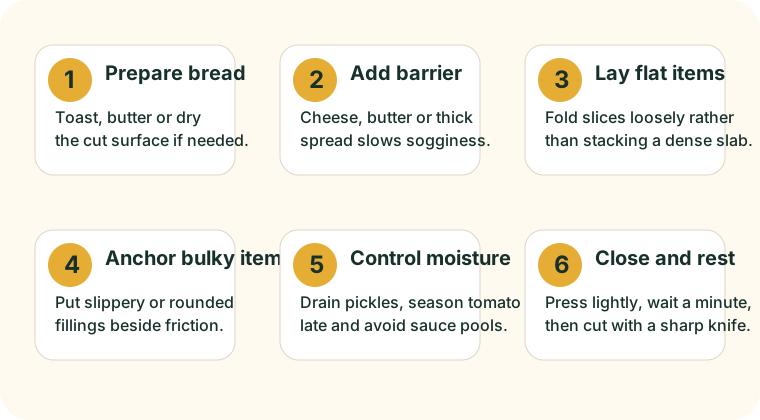
Inspect the cut surface. A porous crumb absorbs liquid quickly; a dense crumb resists it but can feel heavy. Put a thin, complete barrier on both sides when the sandwich must wait. Cheese slices, butter and thick spreads are more reliable barriers than watery dressings.
Fold slices for air and tenderness
Thin meat or cheese stacked perfectly flat can become a rubbery block. Loose folds create air pockets and allow condiments to reach more surface area. Distribute folds to the edges so the centre is not much taller than the ends.
Put friction beside slippery ingredients
Tomatoes, avocado, smooth cheese and oily vegetables slide when placed together. Pair them with shredded lettuce, rough bread, folded meat or a textured spread. Cut round ingredients smaller when a full slice extends beyond the bread.
Control wet ingredients
Drain pickles, pepper strips and marinated vegetables. Pat very wet items lightly. Dress shredded vegetables rather than pouring dressing onto the bread. For a packed lunch, carry tomato or wet slaw separately when possible.
Think about bite direction
Long fibres and thick slices can pull out in one bite. Slice cooked meat across the grain, chop long greens and use manageable pieces of bacon or roasted vegetables. A sandwich should yield cleanly rather than forcing the eater to tug.
When to compress
Pressed sandwiches are designed for controlled compression. Delicate cold sandwiches are not. A light palm press and short rest is usually enough. Heavy wrapping can help a muffuletta-style sandwich meld, but it can ruin crisp lettuce or squeeze dressing into the bread.